Long before the Space Shuttle became reality, German aerospace pioneer Eugen
Sänger envisioned a revolutionary spacecraft: the Silbervogel (Silverbird). Conceived in
the 1930s, this extraordinary rocket-powered aircraft was designed to reach the fringes
of space and return to Earth in a series of long, wave-like glides.
Originally conceived as a winged spacecraft, Sänger's design evolved during the
Second World War into an ambitious concept for a long-range space bomber.
Launched from a specially constructed acceleration track, the vehicle was intended to
climb into the upper atmosphere, travel vast distances in space and eventually glide
back to Earth for a conventional landing. Its technical ambitions were decades ahead of
their time.
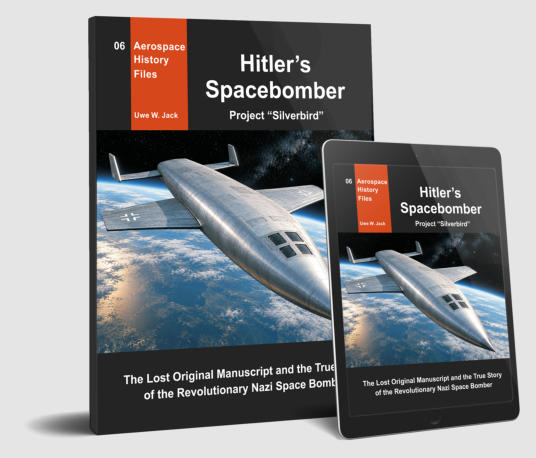
Hitler’s Spacebomber
Project “Silverbird”
A short Summary


A publication that should not be missed by anyone
interested in the Luftwaffe or aviation and spaceflight
technology.
Print or Kindle-eBook:

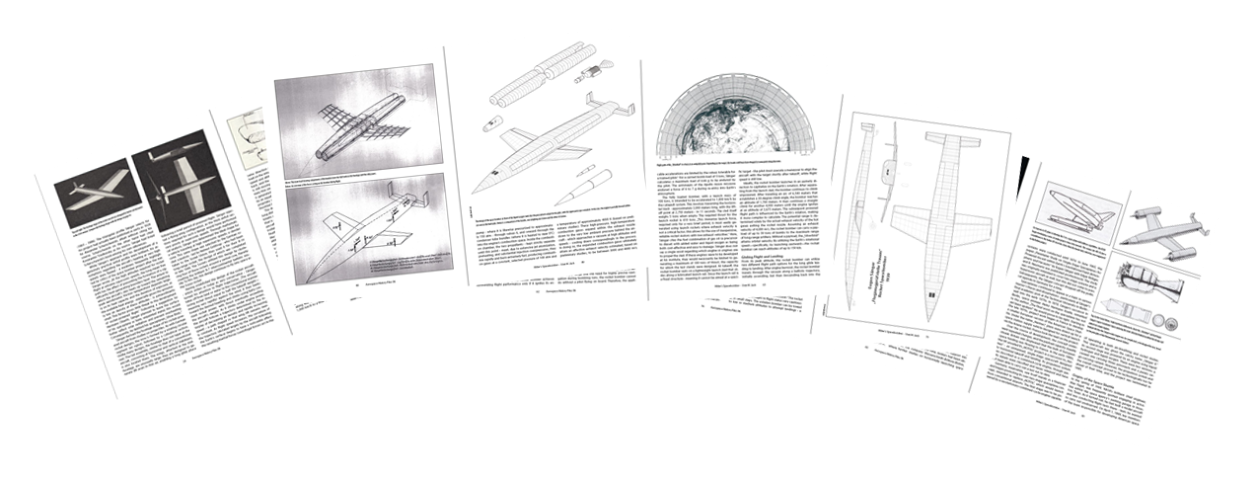
Sample pages
This publication draws on a remarkable historical discovery: Eugen Sänger's original,
detailed manuscript, long believed to have been lost was eventually rediscovered by
the author in an archive. In 1944, an abbreviated version of the study, entitled On a
Rocket Propulsion for Long-Range Bombers, was circulated among a select group of
prominent figures in the German aviation community. The concept later became an
important milestone in the history of spaceplane development and is the starting point
of the development of the Space Shuttle.
Based on the previously overlooked original manuscript, this study reveals numerous
details that have remained largely unknown. It examines Sänger's technical design, the
propulsion system, the planned flight profile and the intended missions of the space
bomber.
It also challenges established interpretations, corrects persistent historical inaccuracies
and sheds new light on one of the most extraordinary aerospace projects of the
twentieth century.
Was the Silverbird really intended to carry an atomic bomb to New York? This widely
repeated claim is examined in detail, separating historical evidence from speculation.
An essential study for anyone interested in aviation history, aerospace engineering,
German wartime technology and the origins of spaceflight.
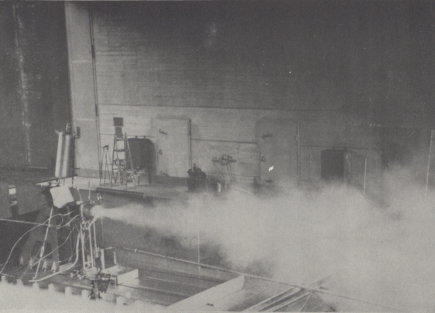
An early rocket engine, Sänger built and tested in Vienna in the early
1930ies.
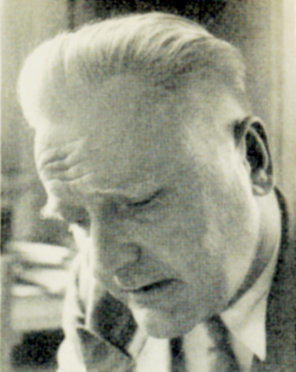
Left: Eugen Sänger (1905 - 1964) was one of the most influential
spaceflight pioneers of the 20th century.
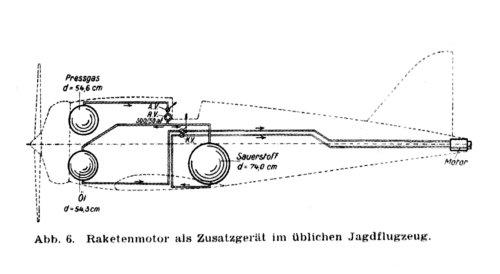
Above: In the early 1930s, Sänger designed a fighter aircraft with an
additional rocket engine.
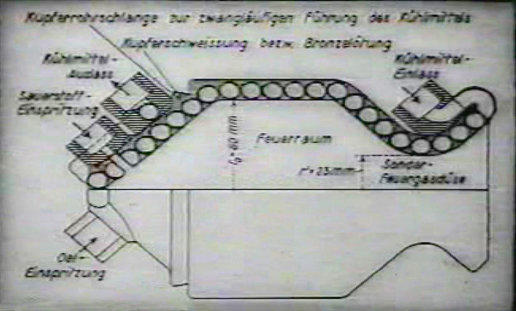
Working for the Luftwaffe, Sänger tested this rocket engine
with additional aluminium powder in the fuel. It was a pre
stage to the 100 ton engine for the Spacebomber.
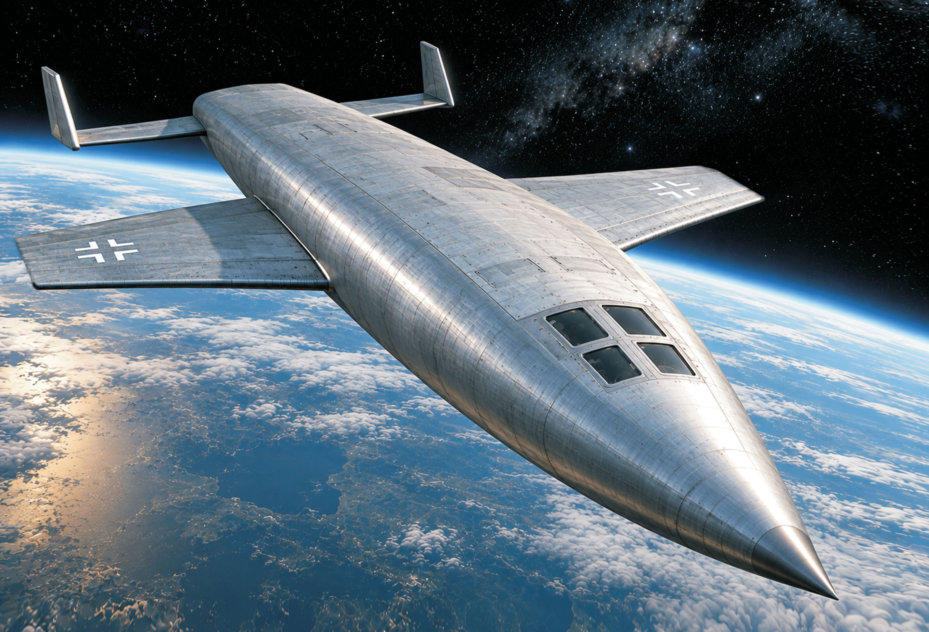
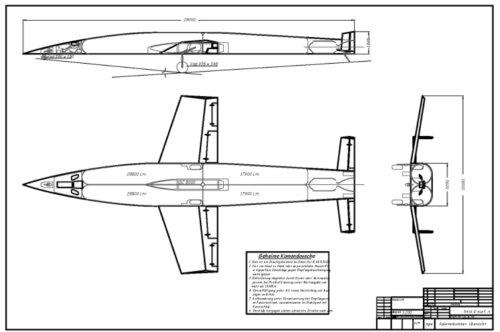
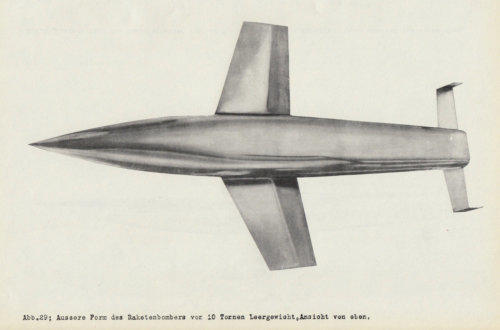
An overview drawing of the "Silverbird".
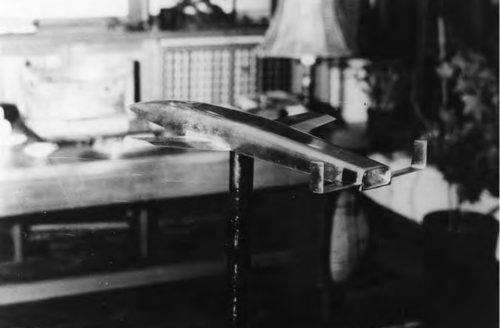
The wind tunnel model of the "Silverbird" was studied by
NASA after the war.
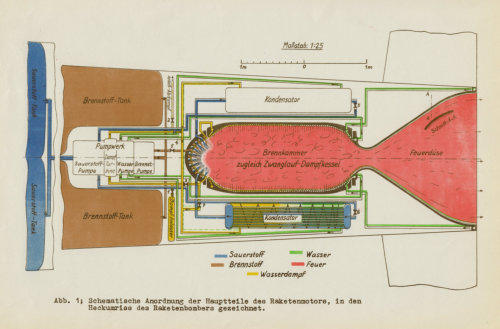
For the Spacebomber, Sänger designed a complex propulsion
system, which he calculated in great mathematical detail.
The wind tunnel model shows the sleek shape of the "Silverbird".
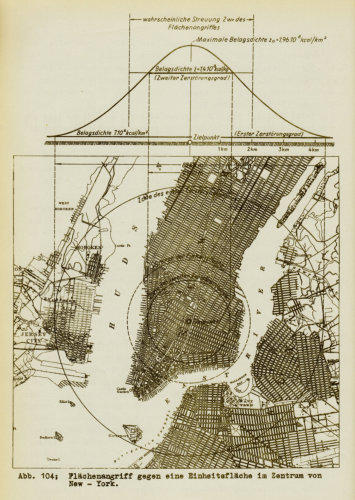
This target diagram shows the effects of a
bombardment on New York. The target point
is located in the middle of Lower Manhattan.
The publication discusses in detail the validity
of the frequently voiced hypothesis that the
"Silverbird" was intended to drop an atomic
bomb.